Mission & vision.
Our mission
To empower ecologists, researchers and governments with adaptable hardware and collaborative software, providing a unified infrastructure for continuous ecological research and conservation.
Our vision
Advancing ecological conservation through technology.
Our story
From a final-year
project to a mission.
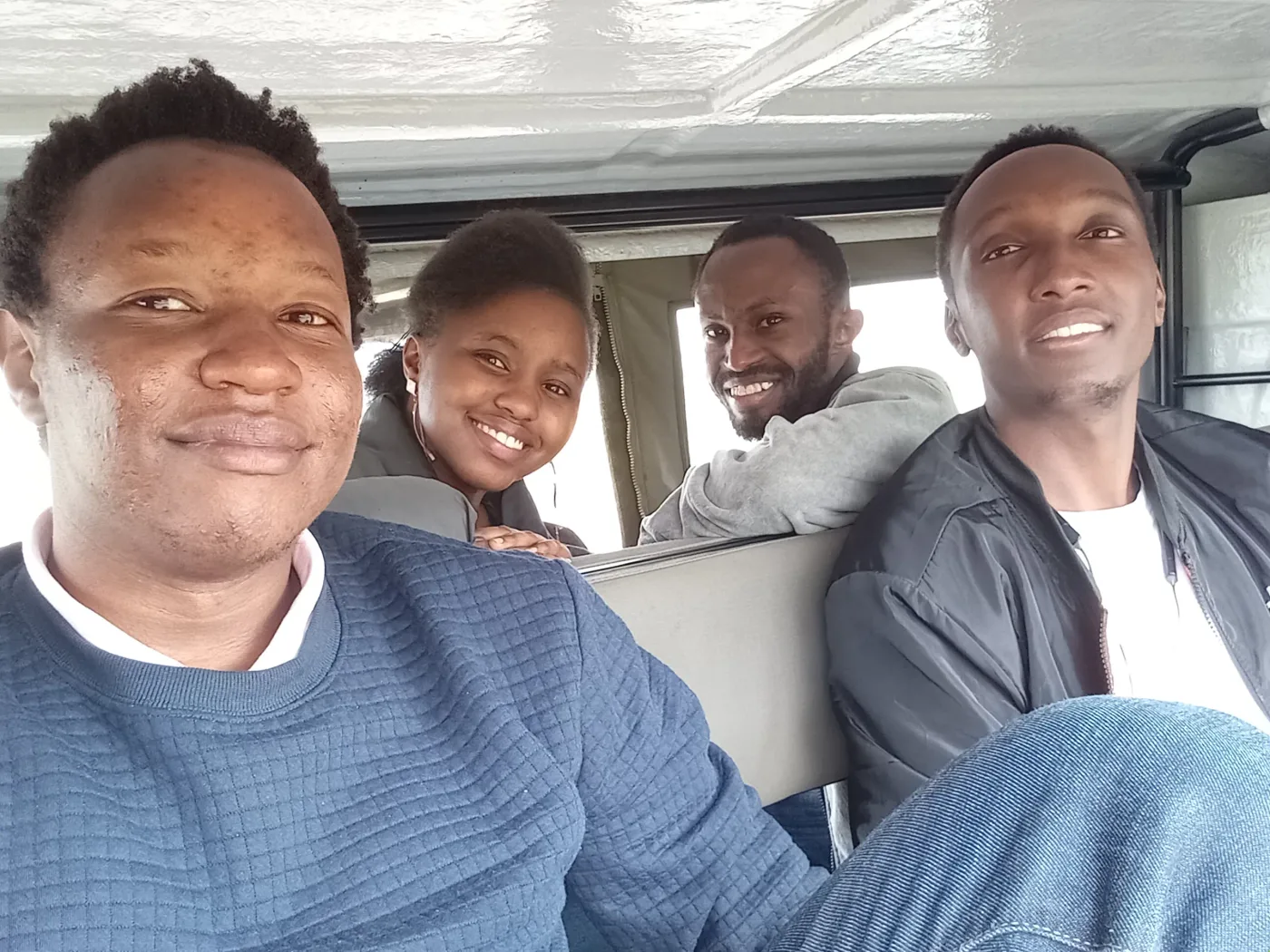
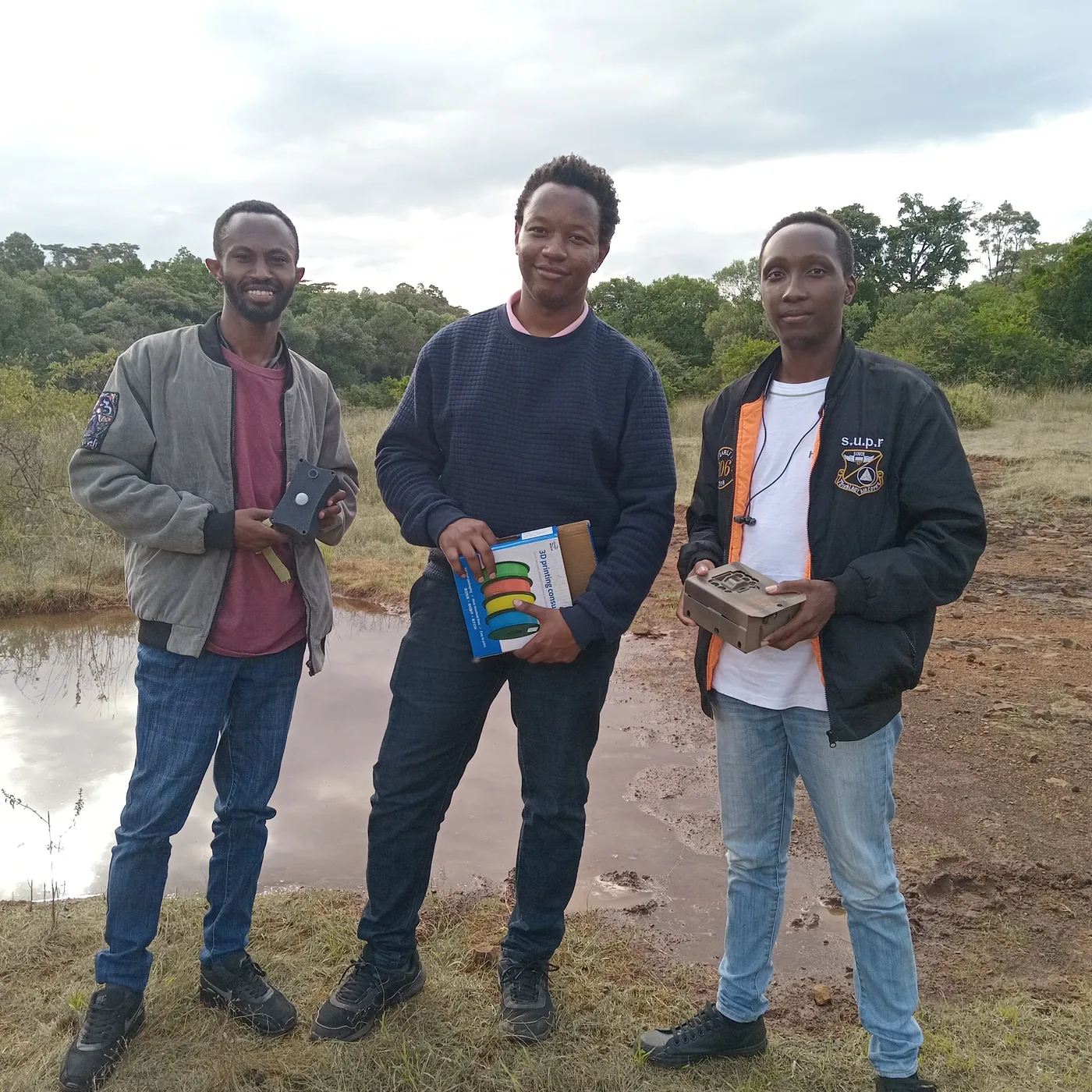
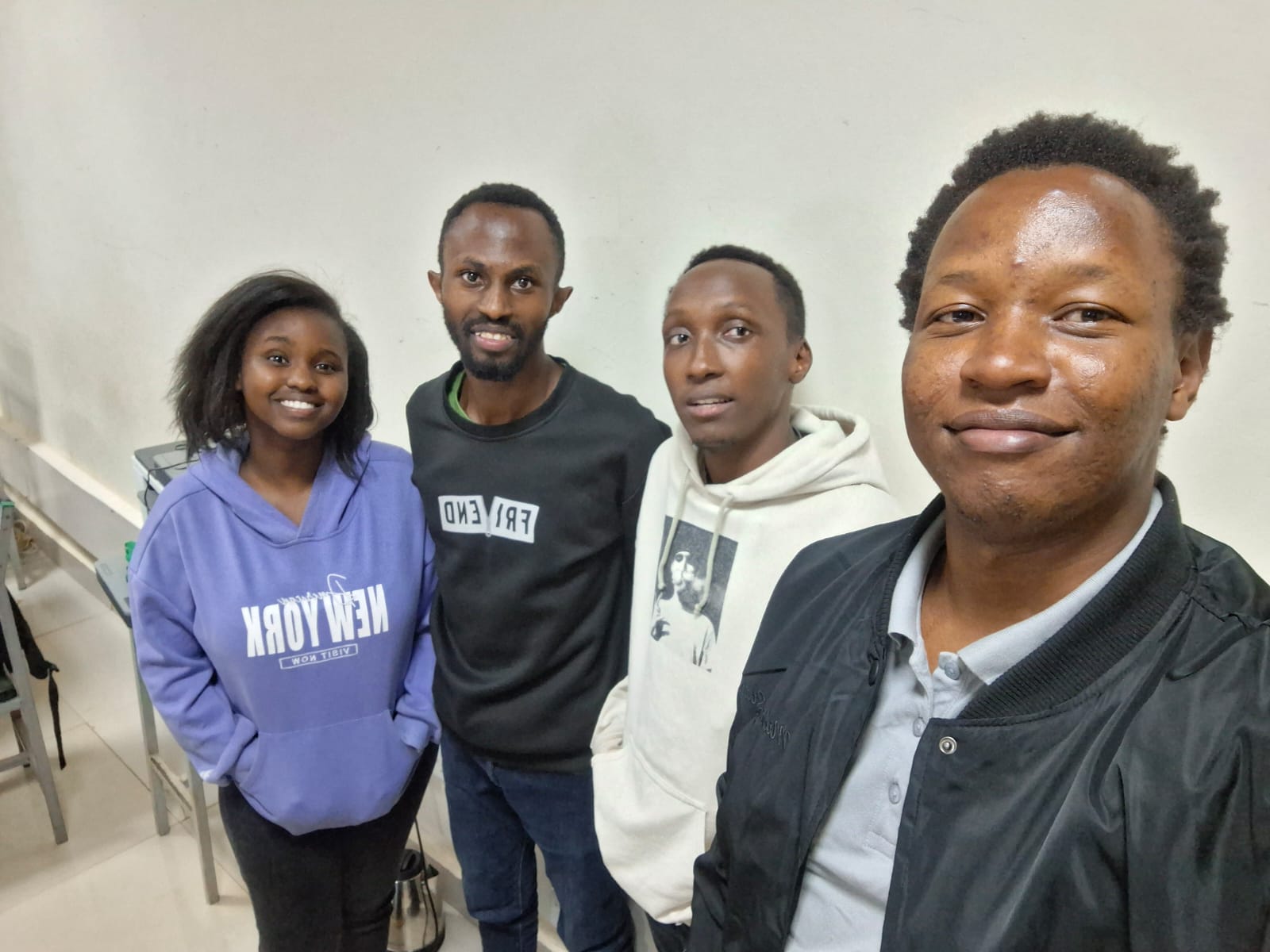
ConservaCam began in 2024 as a final-year engineering project developed by a team of Mechatronics Engineering students at Dedan Kimathi University of Technology. What started as an academic challenge quickly grew into a mission driven by a shared passion for wildlife conservation and technology.
As we explored the challenges facing wildlife conservation in Kenya, we recognized a critical gap in effective and accessible wildlife population monitoring. Conservationists often rely on limited resources and labor-intensive methods to collect data, making it difficult to monitor wildlife populations accurately and consistently.
We believed technology could help bridge this gap. Inspired by the need for innovative conservation tools, we set out to develop a solution that would make wildlife monitoring more efficient, reliable, and accessible. By combining embedded systems, artificial intelligence, and remote sensing technologies, ConservaCam was born.
Today, our goal remains the same: to empower conservationists, researchers, and wildlife managers with smarter tools that support data-driven conservation efforts and help protect Kenya's rich biodiversity for future generations.
Our values
What we
hold to.
The core principles that guide our work and innovation.
01
Reliability
We build tools designed to endure the harshest field conditions, ensuring continuous monitoring when it matters most.
02
Innovation
We continuously push the boundaries of conservation tech, blending AI and embedded systems to solve complex challenges.
03
Self drive
We take initiative and lead with passion, driven by a deep, personal commitment to wildlife protection.
04
Transparency
We foster open communication and trust with our partners, communities, and the researchers relying on our data.
05
Impact
We measure our ultimate success by the tangible, long-term difference our solutions make in preserving biodiversity.
06
Sovereignty
We empower local conservationists by ensuring they maintain sovereign control over their sensitive ecological data.
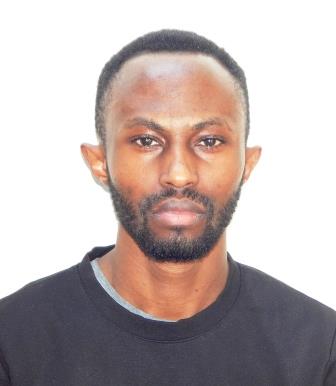
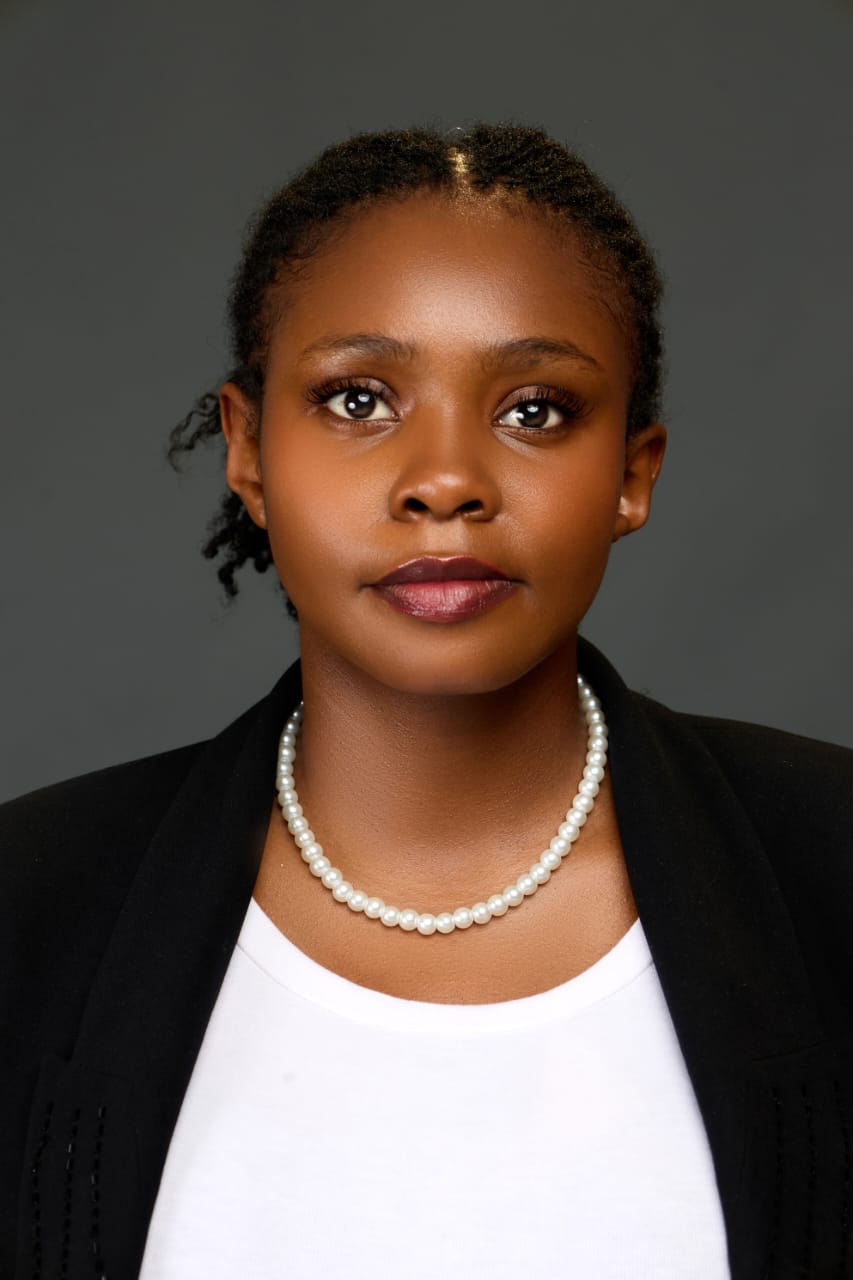
Organization leads
The people
behind it.
Meet the dedicated team driving our mission forward.

Acknowledgements
Working together for
wildlife conservation.